
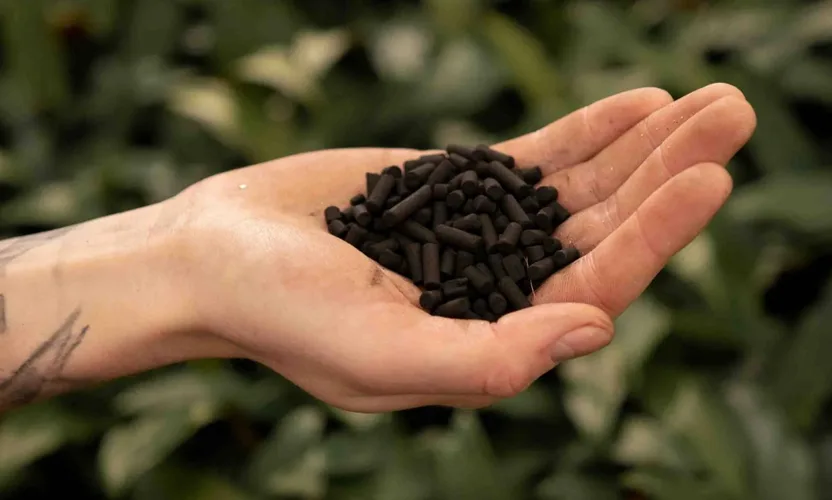
Key Factors To Consider Before Buying Activated Carbon
Activated carbon is widely used across industries for water treatment, air purification, food processing, pharmaceuticals, gold recovery, and chemical manufacturing. However, selecting the right activated carbon requires more than simply comparing prices. Every application demands specific product characteristics, and choosing an unsuitable grade can reduce filtration efficiency, increase operating costs, and shorten equipment life. Understanding the important factors before purchasing activated carbon helps businesses make informed decisions while ensuring reliable and consistent performance.
The market offers numerous activated carbon products manufactured from different raw materials and available in various grades. Each product is designed for specific industrial requirements and provides unique adsorption characteristics. Evaluating product quality, technical specifications, and supplier reliability before purchasing helps maximize operational efficiency while delivering dependable purification results for every application.
Understand Your Application Requirements
Before purchasing activated carbon, clearly identify your application and the contaminants you need to remove. Water treatment, air filtration, food processing, pharmaceutical manufacturing, and chemical industries all require different activated carbon properties to achieve effective purification. Selecting the correct product according to your operational needs ensures better adsorption performance and long-term efficiency.
Understanding factors such as operating temperature, flow rate, contaminant concentration, and filtration objectives helps determine the most suitable activated carbon grade. Proper product selection not only improves purification efficiency but also minimizes maintenance requirements and reduces overall operating costs.
Evaluate Product Specifications Carefully
Technical specifications play a vital role in determining activated carbon performance. Important parameters include iodine value, mesh size, surface area, hardness, moisture content, ash percentage, bulk density, pH, and particle size. Each specification directly influences adsorption capacity, filtration efficiency, and product durability.
Reviewing technical data sheets before purchasing helps ensure the activated carbon matches your industrial requirements. Reliable manufacturers provide detailed product specifications that allow customers to compare performance and confidently select the most suitable grade for their purification systems.
Choose The Right Raw Material
Activated carbon is commonly manufactured from coconut shells, coal, and wood, with each raw material offering unique advantages. Coconut shell activated carbon provides excellent hardness, low ash content, and superior microporous structure, making it ideal for drinking water purification and high-purity industrial applications.
Coal based activated carbon delivers balanced adsorption performance for industrial water treatment and air purification, while wood based activated carbon offers larger pore structures suitable for decolorization and specialized chemical processing. Selecting the appropriate raw material improves filtration performance and ensures reliable long-term operation.
Select A Reliable Manufacturer
Choosing a trusted activated carbon manufacturer is just as important as selecting the product itself. Experienced manufacturers follow strict quality control procedures, utilize advanced production technology, and perform comprehensive testing before delivering every batch. This ensures consistent quality, reliable specifications, and dependable adsorption performance.
A reliable supplier also provides technical guidance, customized solutions, flexible packaging options, and responsive customer support. Partnering with an experienced manufacturer helps businesses maintain uninterrupted operations while receiving products that consistently meet international quality standards.
Consider Long-Term Value Instead Of Price
Although price is an important purchasing factor, it should never be the only consideration when selecting activated carbon. Lower-priced products may require frequent replacement, provide inconsistent performance, or increase maintenance costs over time. Investing in premium-quality activated carbon often delivers better operational efficiency and long-term cost savings.
High-quality activated carbon provides superior adsorption capacity, longer service life, reduced downtime, and improved filtration performance. Evaluating overall product value rather than initial purchase price helps businesses achieve greater reliability, higher productivity, and better returns on investment.
Conclusion
Buying the right activated carbon requires careful evaluation of application requirements, product specifications, raw materials, manufacturer reliability, and long-term performance. By considering these key factors before making a purchase, businesses can select high-quality activated carbon that delivers consistent purification, reliable operation, lower maintenance costs, and excellent value for industrial applications.
